
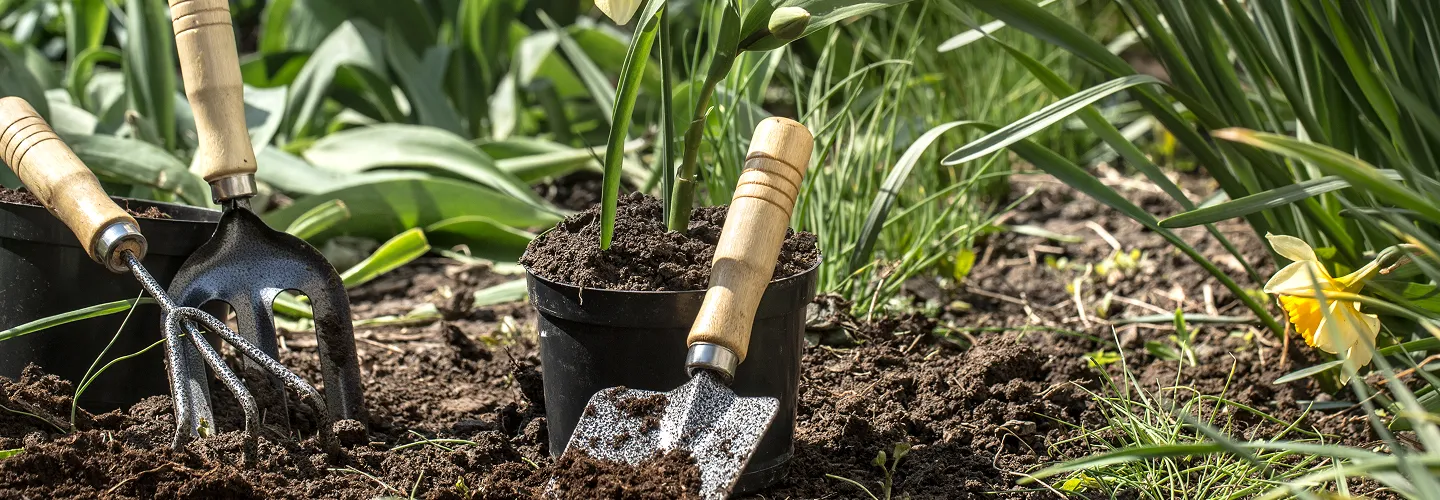
Roman Forest Green Waste Disposal Services
Choose our Green Waste Disposal service for reliable, environmentally responsible removal that keeps your property pristine while supporting a healthier planet.
Get a Free QuoteOur Roman Forest Landscaping & Yard Care Services
When to Schedule Green Waste Disposal in Roman Forest, Texas – Seasonal Guide
In Roman Forest, Texas, the timing of green waste disposal is closely tied to our unique climate and landscape. With hot, humid summers and mild winters, the optimal periods for scheduling green waste removal are typically late winter through early spring and again in late fall. These windows align with the end of frost periods and the start of new growth, making it easier to manage yard debris before the peak growing season or after autumn leaf drop. Neighborhoods near Roman Forest Boulevard and the wooded areas around Peach Creek experience significant leaf and branch accumulation, especially after seasonal storms or during periods of rapid growth.
Local environmental factors such as high humidity, clay-heavy soils, and dense shade coverage in areas like Kings Colony can influence how quickly organic debris decomposes and when it should be removed. Additionally, municipal guidelines and drought risk—especially during the late summer—may affect when and how green waste can be collected. For more information on local regulations, visit the Sudbury municipal site.
Local Factors to Consider for Green Waste Disposal in Roman Forest
- Tree density and species common to Roman Forest neighborhoods
- Terrain and accessibility, especially in wooded or sloped areas
- Seasonal precipitation patterns and risk of heavy storms
- Municipal restrictions on disposal timing and methods
- Soil type, particularly clay content affecting decomposition
- Shade coverage impacting debris accumulation and moisture retention
Benefits of Green Waste Disposal in Roman Forest

Eco-Friendly Landscaping Solutions
Efficient Green Waste Removal
Promotes Healthy Plant Growth
Reduces Landfill Waste
Enhances Curb Appeal
Supports Sustainable Practices
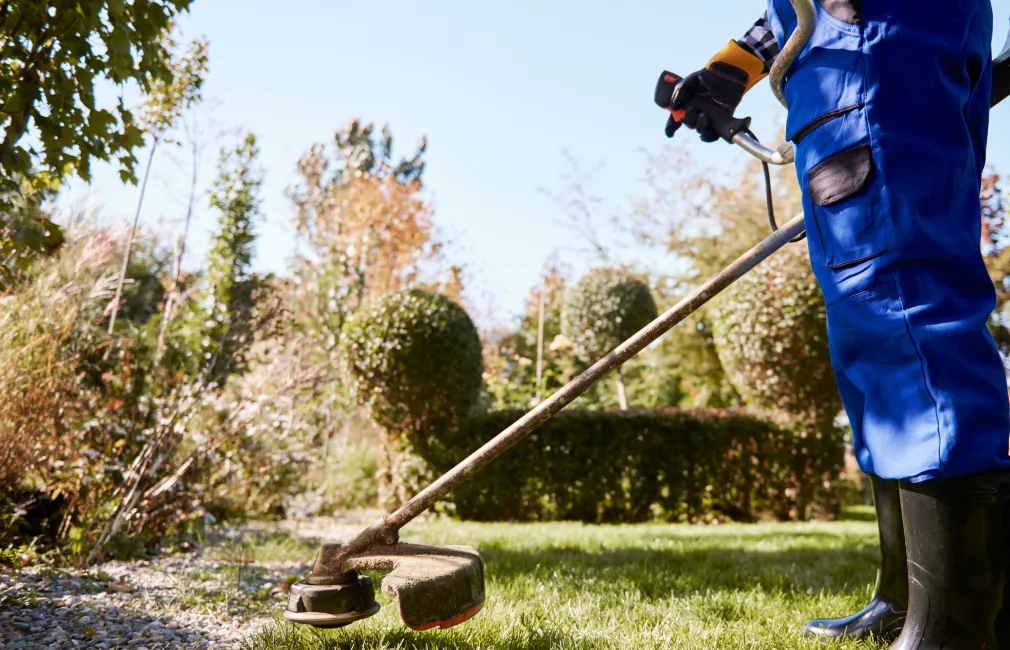
Roman Forest Green Waste Disposal Types

Grass Clippings
-
Tree Branches
-
Shrub Trimmings
-
Leaves Collection
-
Garden Debris
-
Mulch Recycling
-
Compostable Materials
Our Green Waste Disposal Process
Collection of Green Waste
Sorting and Separation
Transport to Disposal Facility
Eco-Friendly Processing
Why Choose Roman Forest Landscape Services
-
Roman Forest Homeowners Trust Us
-
Expert Lawn Maintenance
-
Reliable Scheduling
-
Competitive Pricing
-
Professional Team
-
Satisfaction Guarantee
-
Personalized Service
Roman Forest’s Green Waste Collection Schedule and Municipal Requirements
Green waste disposal in Roman Forest is governed by city-specific collection schedules and strict municipal requirements to ensure environmental compliance and community cleanliness. Weekly curbside pickup is typically scheduled for Thursdays from April through November, with residents required to use biodegradable paper bags or reusable bins (32-gallon maximum) for leaves, grass clippings, and brush under 4 feet in length. Plastic bags and branches over 4 inches in diameter are prohibited. All green waste must be placed at the curb by 7:00 AM on collection day. The city enforces a 50-pound weight limit per container to protect collection staff and equipment. For questions regarding collection procedures or to report missed pickups, residents should coordinate with the Department of Public Works.
Department of Public Works
2430 Roman Forest Blvd, Roman Forest, TX 77357
Phone: (281) 399-2660
Official Website: Department of Public Works
Soil Series and Drainage Considerations for Green Waste in Roman Forest
Roman Forest’s predominant soils, as identified by the USDA Web Soil Survey, include the Katy fine sandy loam and the League clay loam, both of which exhibit moderate to poor drainage and a pH range of 6.0-7.5. These soil conditions can lead to water retention and slow decomposition of green waste if not managed properly. To promote effective breakdown and minimize runoff, it is recommended to:
- Incorporate composted green waste to a depth of 4-6 inches
- Avoid piling debris in low-lying or poorly drained areas
- Conduct soil testing every 2-3 years (testing available through Texas A&M AgriLife Extension, $15-25 per sample)
- Apply lime if pH drops below 6.0 or sulfur if above 7.5 Proper management of green waste on these soils helps prevent nutrient leaching into local waterways and supports healthy turf and landscape plantings.
Environmental Compliance: Stormwater and Buffer Zone Regulations in Roman Forest
Green waste disposal in Roman Forest must comply with both local and state environmental regulations, including the city’s MS4 stormwater permit under the Clean Water Act and the Texas Water Code. It is strictly prohibited to deposit grass clippings, leaves, or brush in storm drains, ditches, or within 25 feet of wetlands and protected water bodies such as Peach Creek. Buffer zones must be maintained to prevent nutrient runoff and protect sensitive habitats. Key compliance steps include:
- Maintain a 25-foot no-disturbance buffer from wetlands
- Never dispose of green waste in drainage channels or stormwater inlets
- Use only approved containers for curbside collection Violations may result in fines or enforcement actions by the city or the Texas Commission on Environmental Quality. For further guidance, consult the city’s Code Compliance office.
Code Compliance
2430 Roman Forest Blvd, Roman Forest, TX 77357
Phone: (281) 399-2660
Official Website: Code Compliance
Texas Commission on Environmental Quality
12100 Park 35 Circle, Austin, TX 78753
Phone: (512) 239-1000
Official Website: Texas Commission on Environmental Quality
Equipment Operation Hours and Safety Standards for Green Waste Handling in Roman Forest
The City of Roman Forest enforces specific hours for equipment operation related to green waste handling to minimize noise and ensure public safety. Permitted hours are:
- Monday-Friday: 7:00 AM - 7:00 PM
- Saturday: 8:00 AM - 6:00 PM
- Sunday and holidays: Prohibited All operators must use commercial-grade equipment with functioning mufflers, and noise levels must not exceed 85 decibels at the property line. Personal protective equipment (PPE) is required, including:
- ANSI Z87.1 safety glasses
- Hearing protection for noise above 85 dB
- Steel-toed boots and cut-resistant gloves When working near public roads, high-visibility vests and traffic cones are mandatory. The Department of Public Works provides additional safety guidance and can review traffic control plans for large-scale debris removal.
What Neighborhoods Do We Serve Throughout Roman Forest, TX?
- Roman Forest Estates: Characterized by mature tree canopies and larger lots, this area often requires additional brush management and careful attention to drainage due to clay-rich soils.
- Peach Creek Forest: Proximity to Peach Creek and associated wetlands necessitates strict buffer compliance and careful debris placement to prevent runoff into sensitive habitats.
- Kings Colony: Features newer developments with compacted soils and smaller lot sizes, requiring frequent green waste collection and adherence to container size limits.
- Northcrest Ranch: Large properties with mixed woodland and open areas, presenting challenges for access and requiring coordination for bulk debris pickup.
- Woodbranch: Dense residential development with narrow streets and overhead utilities, making equipment access and safe operation a priority.
- Cypress Point: Located near conservation areas, this neighborhood must observe enhanced environmental protections and seasonal restrictions on disposal activities.
- Roman Forest South: Includes flood-prone zones where green waste must be managed to avoid obstructing drainage and exacerbating local flooding risks.